FRP Linings for Corrosion Protection & Asset Life Extension
When unprotected industrial assets meet aggressive chemicals, failure is rarely a matter of if, it’s when. But not every tank that’s failing needs to be replaced. In many cases, a properly applied fiberglass lining is all it takes, and that’s a very different (and far more cost-effective) conversation.
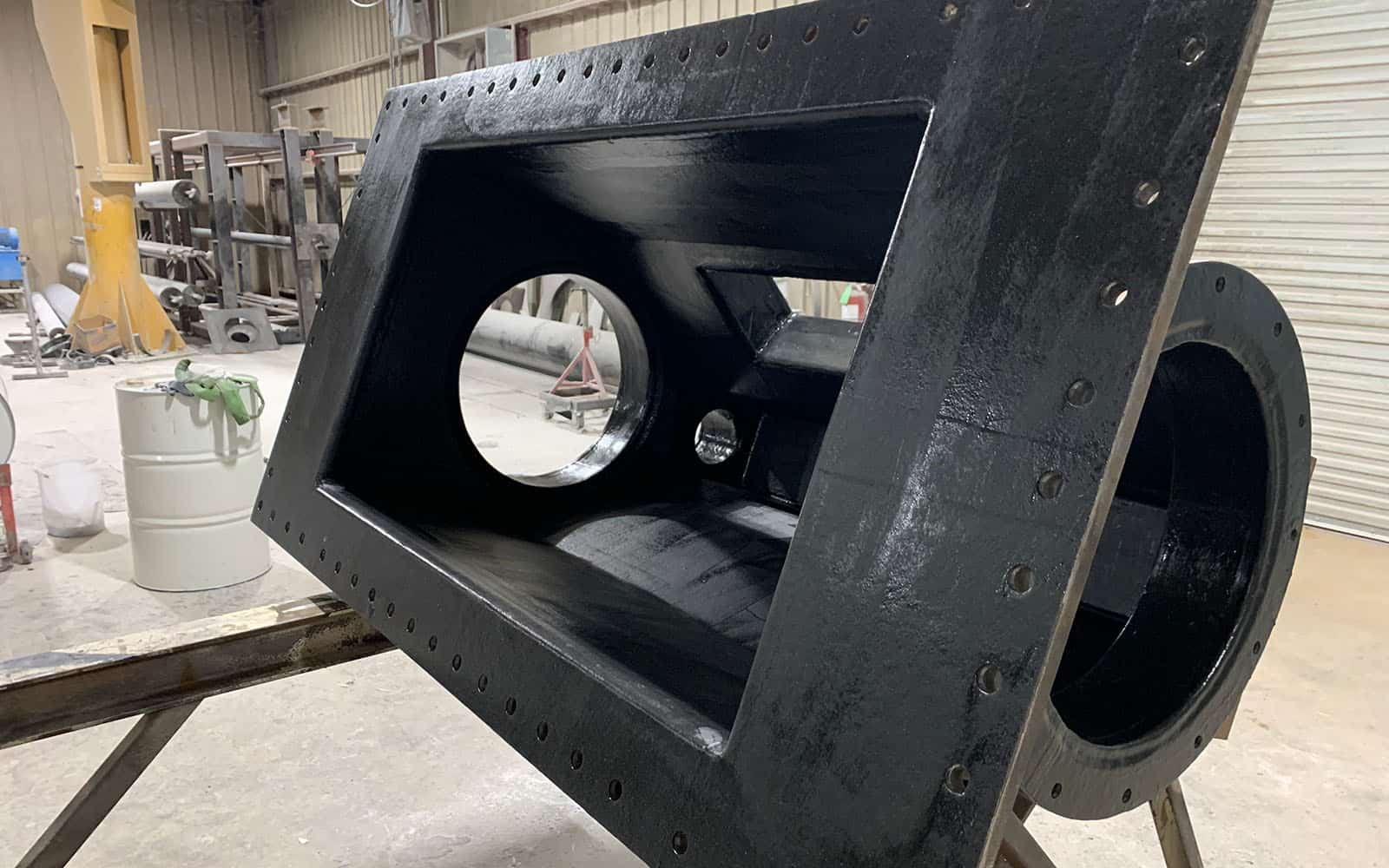
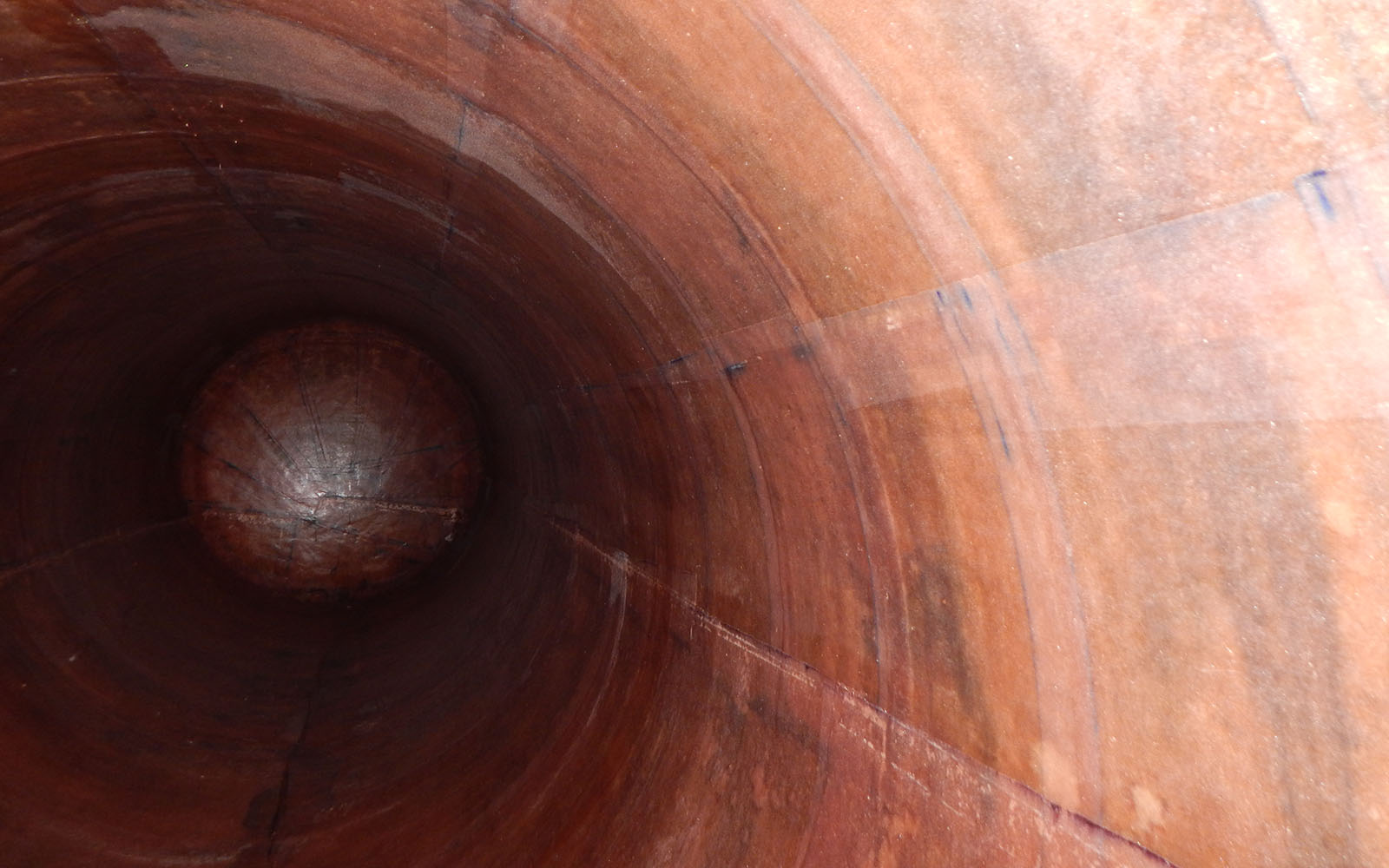
Fiberglass Reinforced Plastic linings are field- or shop-applied laminate systems built directly onto an existing substrate. Unlike prefabricated tank liners, a tank fiberglass lining is constructed in place, layer by layer, bonded directly to the surface, forming a durable corrosion layer that protects and extends the life of your equipment.
At Abtrex, we apply FRP linings to steel tanks, existing FRP equipment, and concrete secondary containment. The substrate changes, the preparation changes, but the goal is always the same: extend the tank’s service life with as little downtime as possible.
Where FRP Linings Make the Most Sense
FRP lining systems are commonly applied to:
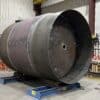
Steel tanks are the most common candidate for our lining services. Steel corrodes, and in chemical processing environments, it moves faster than most people expect. Whether a storage tank is showing early signs of attack or already has significant degradation, abrasive blasting to white metal and a hand-laid fiberglass laminate is often the most practical path forward. FRP lining applied directly to steel delivers long-term corrosion resistance without the cost or downtime of full replacement, and in aggressive chemical service, that’s a trade-off worth making.
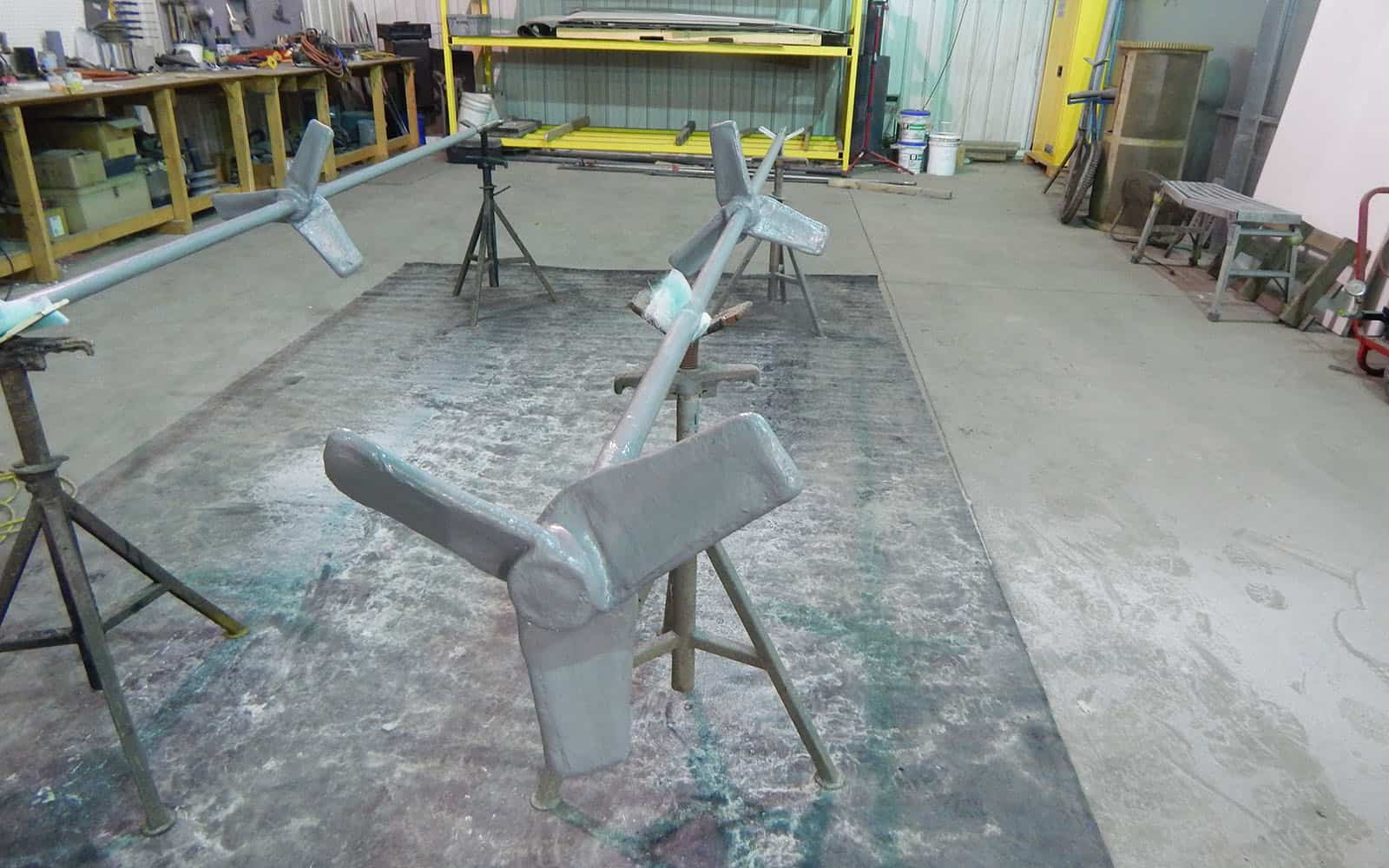
Existing FRP equipment is another area where tank FRP lining makes a real difference. Over time, the corrosion layer can become chemically saturated or physically degraded. When that happens, the solution isn’t replacement, it’s reline. We remove the compromised laminate down to sound glass, prime with Derakane 8084 or another priming system, and rebuild a fresh lining system from the substrate up.
Concrete secondary containment is often originally designed for structural support, not chemical exposure. A fiberglass lining over concrete prevents aggressive chemicals from attacking the slab if a spill occurs, an often-overlooked layer of protection that can save significant remediation costs.
How the Lining System Is Built
Surface preparation is everything. On steel, that means blasting to SP5 white metal with a minimum 2.0 mil anchor profile. On FRP relines, old laminate is shaved back using turbo shears to expose virgin glass before any primer goes down.
Once the surface is ready, primer resin is applied before any glass touches the substrate. We most commonly use Derakane 8084, a purpose-built bonding agent that locks into the prepared surface, seals against moisture and chemical ingress, and creates a chemically resistant interface for the laminate.
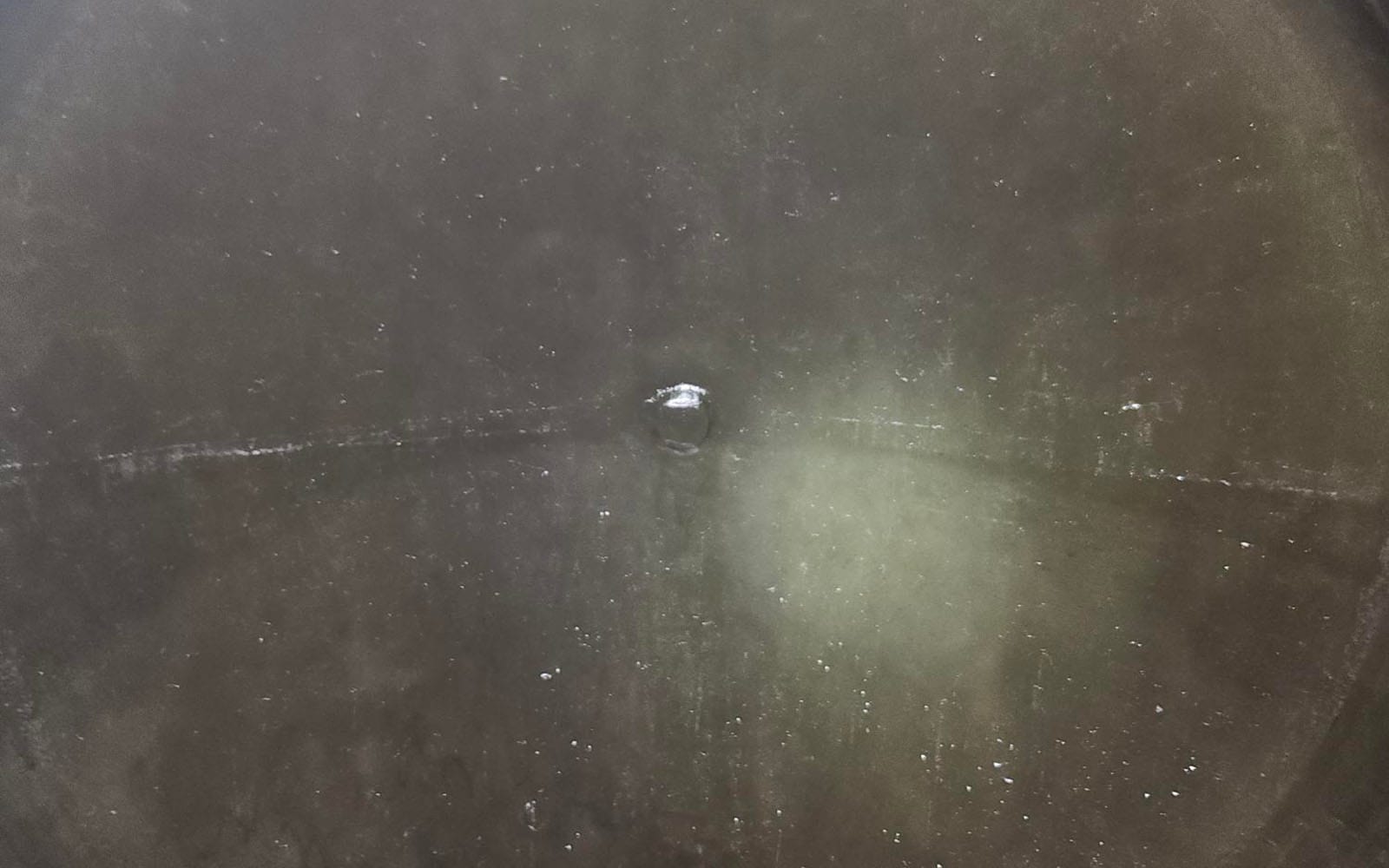
The laminate is then built up by hand, chopped strand mat first for adhesion and veil layers where chemical resistance is the priority. If the structural layers of the substrate are compromised, then woven roving will be added into laminate layers for strength. Each layer is wet-out, applied, and rolled to remove air. Corrosion barriers typically run 100 to 250 mils; structural zones go heavier as needed. In high-wear areas like downshoots and inlets, silicon carbide can be added to the resin matrix for an abrasion resistant surface without compromising chemical resistance.
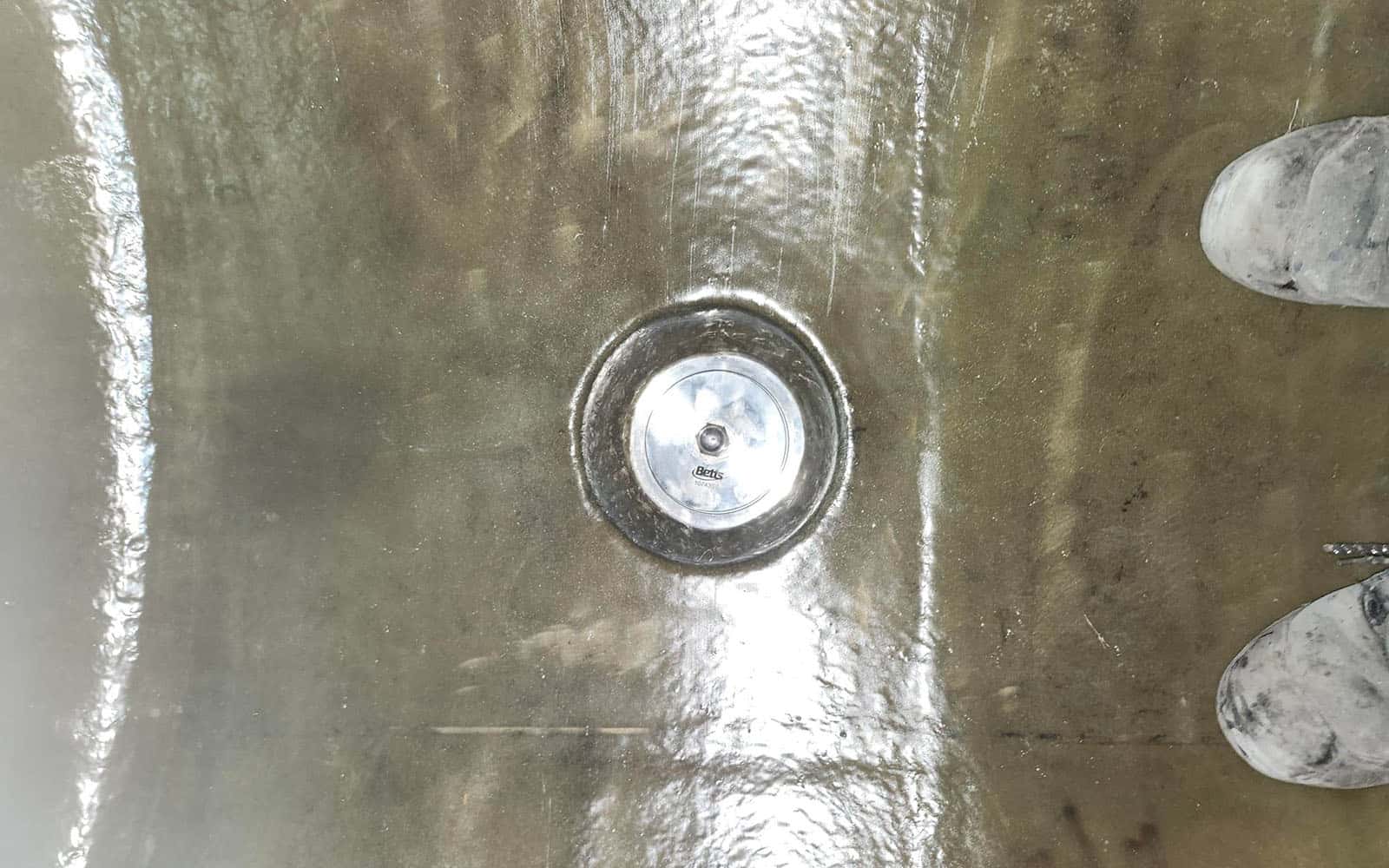
Interior surfaces are finished with a wax coat using the same resin as the laminate, it migrates to the surface during cure and forms the final chemical-resistant barrier.
Extending the Life of Your Assets
A properly installed fiberglass lining doesn’t just protect, it helps extend the tanks life and delay costly replacements. Whether you’re maintaining a storage tank, upgrading outdated equipment, or protecting new infrastructure, professional tank lining services offer a practical, long-term solution.
At its core, FRP lining is about reliability. It allows facilities to keep critical assets in service, reduce downtime, and operate with confidence, even in the most demanding environments.